In today’s workplace, work-life balance is becoming increasingly important for both employees and employers. It is no longer just a personal matter, but a strategic factor that can directly impact employee productivity, satisfaction, and retention. In this blog, we discuss how a good work-life balance can contribute to more effective workforce management (WFM) and why companies should pay attention to it.
A healthy work-life balance ensures that employees are not only physically present but also remain mentally engaged and productive. Employees who are able to balance their work obligations with their personal lives experience less stress and burnout. This leads to lower absenteeism, higher motivation, and ultimately better performance. For human resources, this means fewer unexpected absences and smoother scheduling.
One way companies can help improve work-life balance is by implementing flexible work schedules. Modern WFM software plays a crucial role here, as it allows schedules to be dynamically adjusted in real time to meet the needs of both the company and its employees. This increases employee satisfaction and makes it easier for managers to anticipate changes in staffing needs.
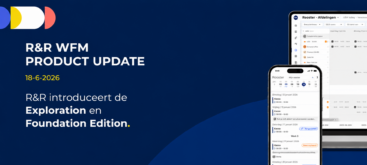
Technology plays a key role in improving work-life balance. Tools like the R&R Job App allow employees to share their availability, swap shifts, and view their schedules at their convenience. This transparency and control over their own schedules gives employees more autonomy, which contributes to higher engagement and satisfaction.
Investing in employees’ work-life balance brings many benefits to companies. Satisfied and motivated employees lead to higher productivity, better customer service, and an overall better customer experience. In addition, companies that prioritize work-life balance are perceived as attractive employers, which helps them attract new employees. In a tight job market, this can make the difference between success and stagnation.
Work-life balance is not just a buzzword, but a crucial element of modern human resources management that directly contributes to a company’s success. By implementing flexible work models and technologies, companies can not only increase their employees’ productivity and satisfaction but also strengthen their competitive position in the market. Integrating work-life balance into WFM strategies is therefore a smart move for any forward-thinking company.